

في خطوة اقتصادية وسيادية لافتة، تواصل أفغانستان تعزيز نموذجها المالي القائم على “الاعتماد الذاتي”، محققةً معادلة صعبة تجمع بين سداد الالتزامات الدولية والتحول الكامل نحو النظام المالي الإسلامي.
 تصفير ديون الطاقة والالتزامات الفورية
نجحت كابل في سداد 627 مليون دولار كمتأخرات لشركات الكهرباء في دول الجوار (طاجيكستان، أوزبكستان، تركمانستان، وإيران)، مما أزاح عبئاً تاريخياً عن كاهل الميزانية العامة.
 سياسة “الاقتراض الصِفري”
للعام الخامس على التوالي، تسجل أفغانستان 0% قروض خارجية جديدة. تعتمد الدولة كلياً في تمويل ميزانيتها على الإيرادات المحلية التي بلغت ذروتها في مطلع 2026 بفضل تشديد الرقابة الجمركية ونمو صادرات المعادن.
 وداعاً للنظام الربوي
بالتزامن مع سداد الديون، أعلنت الإمارة الإسلامية رسمياً إلغاء التعاملات الربوية في كافة البنوك، واستبدالها بنظام مالي إسلامي (مرابحة، مشاركة، صكوك)؛ لقطع الطريق أمام التبعية المالية للمؤسسات الدولية.
 الأرقام تتحدث (أبريل 2026)
بلغت نسبة الدين إلى الناتج المحلي حوالي 8% فقط، مع استقرار العملة الوطنية عند 66 AFN مقابل الدولار، بينما تغطي الإيرادات المحلية 100% من النفقات التشغيلية للحكومة.
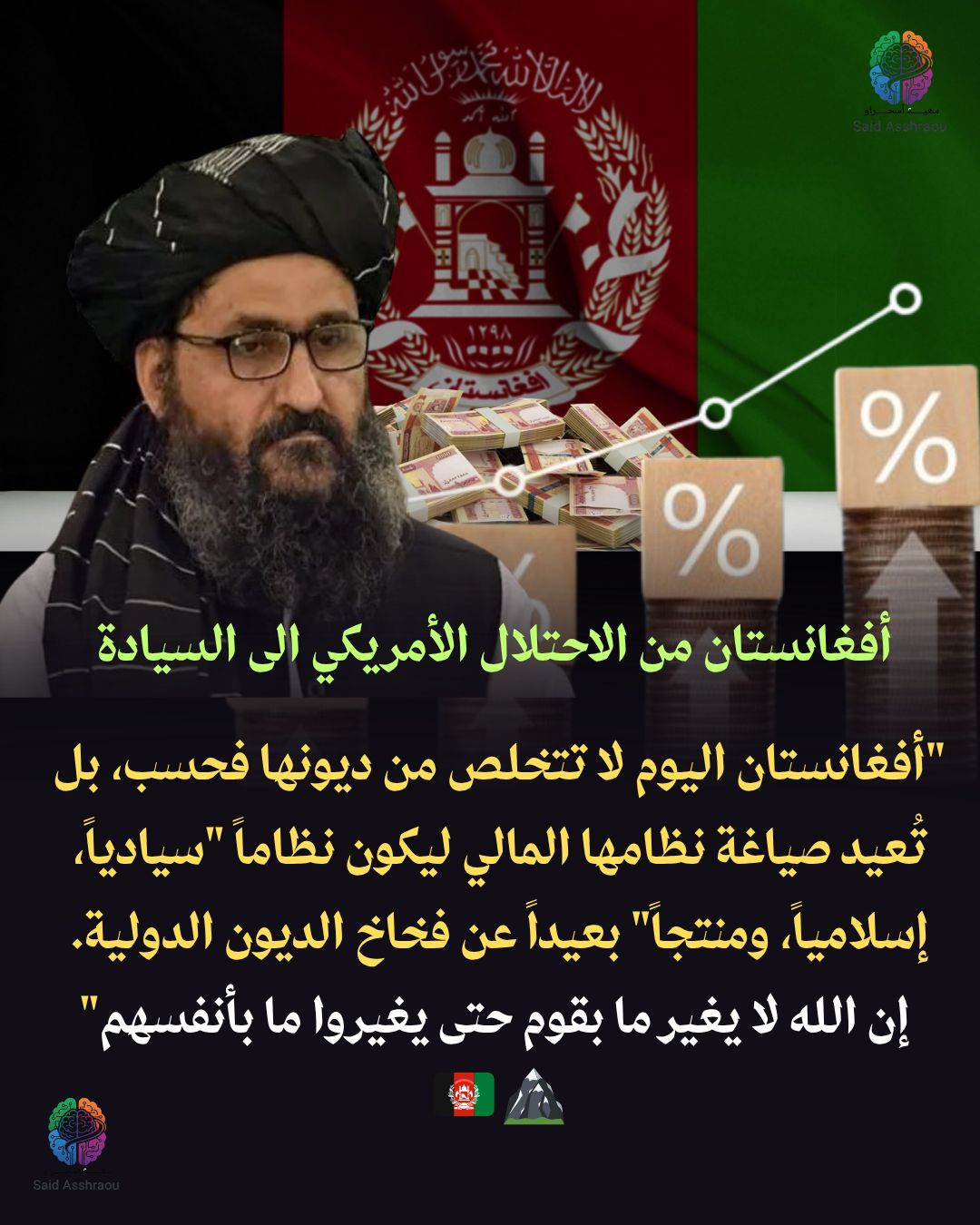
أفغانستان اليوم لا تتخلص من ديونها فحسب، بل تُعيد صياغة نظامها المالي ليكون نظاماً “سيادياً، إسلامياً، ومنتجاً” بعيداً عن فخاخ الديون الدولية. 
Afghanistan 2026: Financial Independence Beyond Debt Clearance
In a significant economic and sovereign move, Afghanistan continues to strengthen its “self-reliance” model, balancing the repayment of international obligations with a total transition to an Islamic financial system.
Clearing Energy Debts Kabul successfully repaid $627 million in arrears to electricity companies in neighboring countries, removing a historical burden from the national budget.
“Zero-Borrowing” Policy For the fifth consecutive year, Afghanistan has recorded 0% new foreign loans, relying entirely on domestic revenues which peaked in early 2026 due to strict customs controls.
Ending the Usury (Riba) System Alongside debt repayment, the Islamic Emirate officially announced the abolition of usurious transactions in all banks, replacing them with an Islamic financial system to end dependency on interest-based institutions.
The Numbers (April 2026) The Debt-to-GDP ratio is estimated at only 8%, with exchange rate stability at 66 AFN per USD, while domestic revenue covers 100% of the government’s operational expenses.
Today, Afghanistan is not just clearing its debts; it is reshaping its financial system to be “Sovereign, Islamic, and Productive,” far from the traps of international debt.